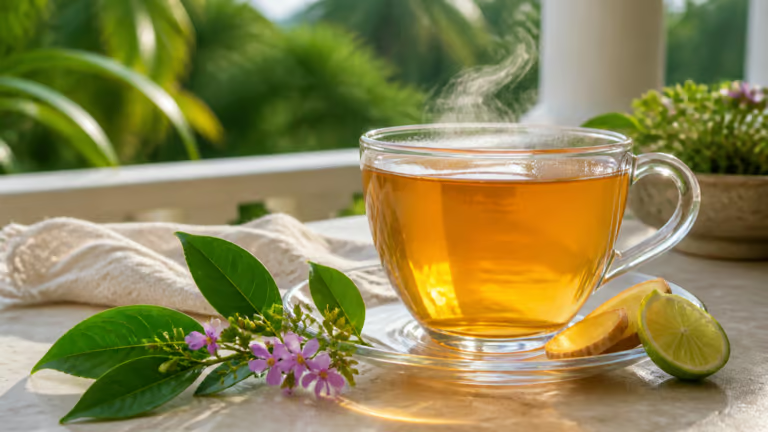
On many Sri Lankan mornings, a bowl of kola kenda is more than breakfast. Made with rice, coconut milk, garlic, and leafy greens, this warm herbal porridge reflects a familiar island idea: everyday food can be nourishing, comforting, and closely connected to the plants around us.
Heen Bovitiya is part of that story. Known botanically as Osbeckia octandra, this Sri Lankan plant has long been valued in traditional food and wellness practices. Its leaves are commonly associated with herbal drinks and green porridge, and traditional practitioners have described Heen Bovitiya preparations as a liver tonic.
Today, interest in the herb extends far beyond Sri Lanka. People searching for natural wellness rituals—and especially people curious about fatty liver—often ask what Heen Bovitiya is, how Sri Lankans use it, and whether modern research supports the traditional reputation.
The honest answer deserves both respect and care: Heen Bovitiya has a meaningful traditional association with liver wellbeing, but current evidence does not establish that it treats, reverses, or reduces fatty liver disease. It should be enjoyed as a traditional herbal food, not used in place of diagnosis, medical care, or a clinician-recommended plan.
What is Heen Bovitiya?
Heen Bovitiya (Osbeckia octandra) belongs to the Melastomataceae plant family and is native to Sri Lanka. The plant is recognised for its small purple flowers and its place in the island’s traditional herbal knowledge.
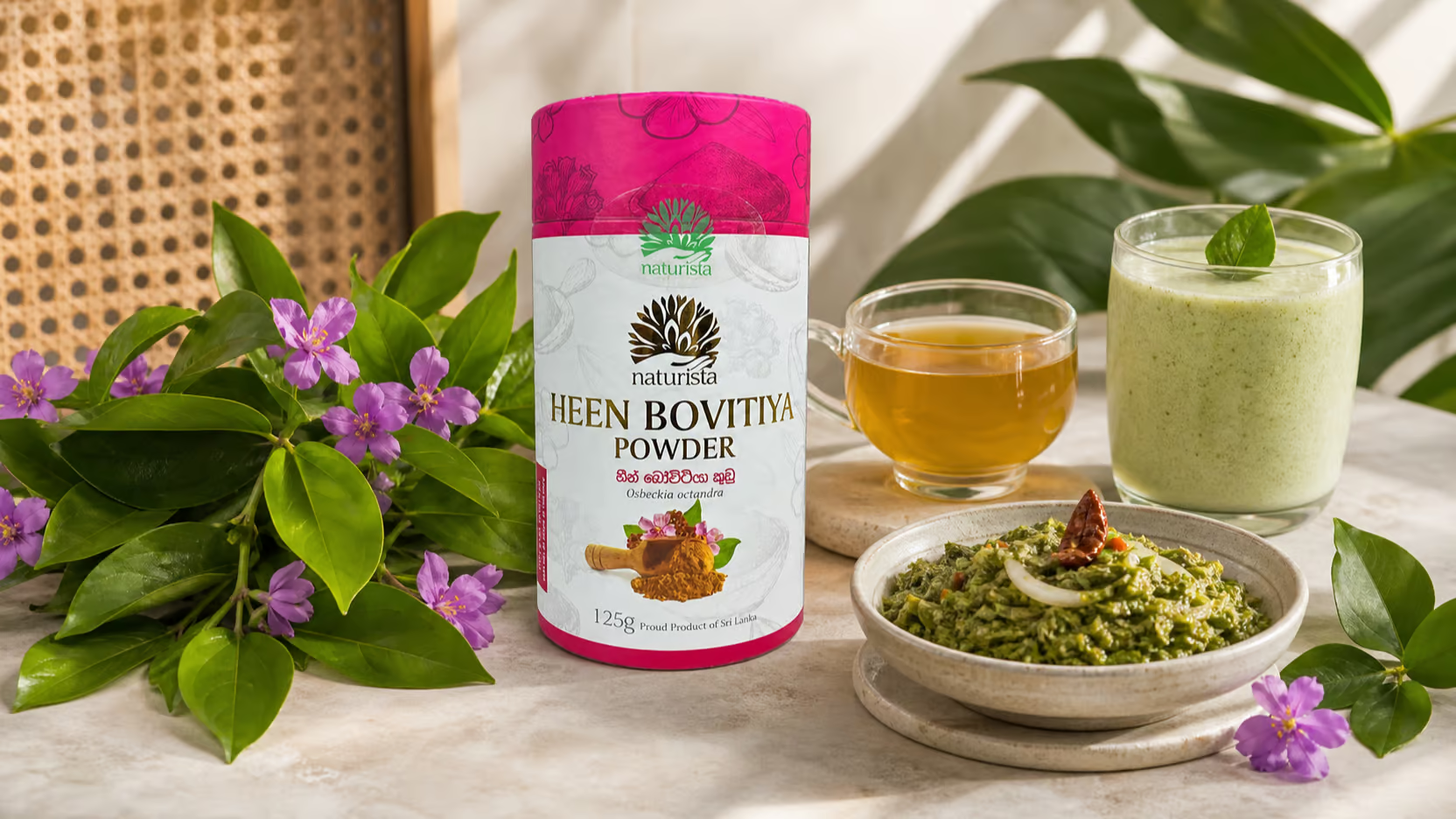
Naturista Heen Bovitiya Powder is made in Sri Lanka from Heen Bovitiya leaves and flowers. The powdered format offers a convenient option for customers who do not have access to freshly gathered leaves, particularly Sri Lankans living overseas and anyone discovering the tradition for the first time.
The name may appear online with slightly different English spellings, including “Heen Bovitiya” and “Heen Bowitiya.” Both generally refer to Osbeckia octandra. Checking the botanical name is useful because research has identified the possibility of confusing this plant with related species.
A Sri Lankan tradition rooted in food
Sri Lankan herbal traditions do not always draw a sharp line between the kitchen and the home wellness cupboard. Curry leaves, gotukola, ginger, turmeric, coriander, and many other plants move naturally between meals and traditional preparations.
Heen Bovitiya is often prepared in two familiar ways:
- As a herbal drink: The powder or leaves are steeped in hot water, then strained.
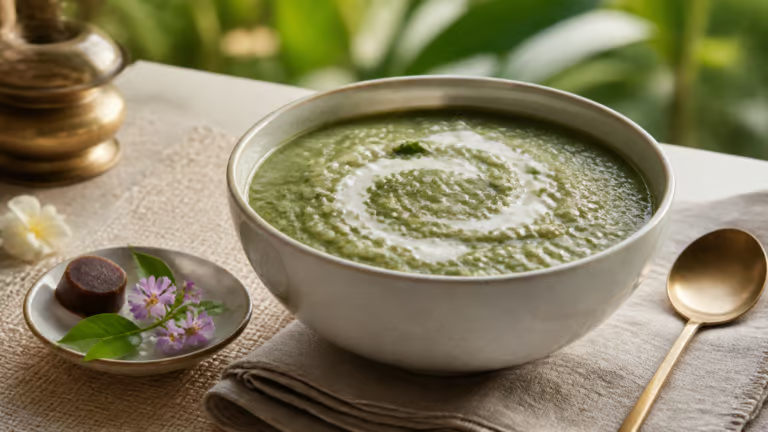
- As kola kenda: Rice is cooked until soft and combined with coconut milk, garlic, and the herb to make a smooth, savory porridge.
A review of plants used in Sri Lankan traditional healthcare notes that porridge made from young O. octandra leaves is prescribed traditionally as a liver tonic. That record helps document the custom; it does not prove that the plant can treat a liver condition.
The modern association between Heen Bovitiya and fatty liver appears to grow from this broader liver-tonic tradition. As fatty liver has become a more familiar health concern, the old preparation has entered a new conversation. Cultural continuity is valuable, but tradition and clinical evidence answer different questions. Tradition tells us how a plant has been valued and prepared. Clinical research must determine whether a defined product produces a specific health outcome.
Why is Heen Bovitiya associated with liver wellness?
Traditional accounts and early scientific studies have created interest in several areas:
- Traditional liver-tonic use: Sri Lankan herbal practice has long associated preparations made from Heen Bovitiya leaves with liver wellbeing.
- Naturally occurring plant compounds: Laboratory analyses have reported antioxidant activity in preparations of O. octandra. Antioxidant activity in a laboratory test does not automatically translate into a proven benefit in the human body.
- Early liver research: Small animal studies have explored whether extracts may help protect against chemically induced liver injury. Results in rats or mice cannot establish that a food or supplement works in people.
- Metabolic-health research: Researchers in Sri Lanka have begun studying Heen Bovitiya tea in people with metabolic dysfunction-associated fatty liver disease. The human evidence remains limited and should not be described as proof of efficacy.
For consumer-facing content, these are best described as traditional uses and areas of research, not as established medicinal benefits.
What does current research actually say?
The research is interesting, but it is still at an early stage.
An open-label, randomised controlled study reported in the 2025 proceedings of the Postgraduate Institute of Science Research Congress included 122 people with metabolic dysfunction-associated fatty liver disease. One group drank O. octandra tea every other day while also receiving standard therapy and lifestyle support; the control group received standard therapy and lifestyle support alone.
After 16 weeks, the tea group had a slight increase in HDL cholesterol and a decrease in triglycerides, but these changes were not statistically significant, and changes in the lipid measurements did not differ significantly between the groups. The authors concluded that the tea had no major effect on the other metabolic measures studied. Because this was an open-label study reported as a conference abstract—and not a test of Naturista Heen Bovitiya Powder—it cannot support a claim that this product reduces liver fat.
Earlier animal studies have reported possible protective effects against experimentally induced liver damage. Such work can help researchers decide what to study next, but animal results are not evidence that a product treats fatty liver in humans.
The most accurate conclusion is simple: Heen Bovitiya’s traditional reputation has encouraged worthwhile research, but stronger and replicated human studies are needed before a fatty-liver benefit can be claimed.
Heen Bovitiya is not a substitute for fatty-liver care
Fatty liver is a medical condition, often now called metabolic dysfunction-associated steatotic liver disease (MASLD). It may have no obvious symptoms, and its severity cannot be judged by how someone feels.
Anyone who has—or suspects they may have—fatty liver should speak with a qualified healthcare professional. According to the US National Institute of Diabetes and Digestive and Kidney Diseases, gradual weight loss when appropriate, balanced food choices, portion management, and physical activity are central parts of care. A herbal drink should never replace medical assessment, prescribed treatment, laboratory monitoring, or sustainable lifestyle changes.
It is also important not to assume that “natural” automatically means safe for every person. Herbs and supplements may interact with medicines or may not be appropriate during pregnancy, breastfeeding, childhood, or certain health conditions.
Five enjoyable ways to use Heen Bovitiya Powder
Heen Bovitiya has an earthy herbal character that works naturally with coconut, rice, warming spices, and bright citrus. These five recipes make the tradition approachable for an international kitchen:
- Classic Heen Bovitiya Herbal Infusion — the simplest preparation, with optional lime or ginger.
- Traditional-Style Heen Bovitiya Kola Kenda — a comforting Sri Lankan rice-and-coconut porridge.
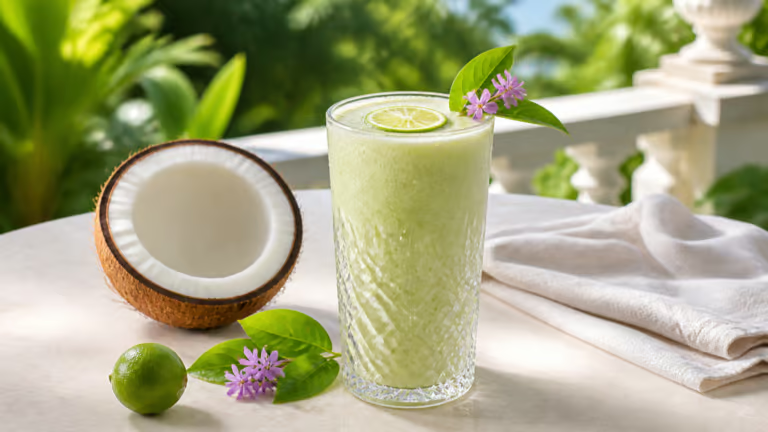
- Heen Bovitiya Coconut-Lime Smoothie — a cool, lightly tropical drink with cucumber and ginger.
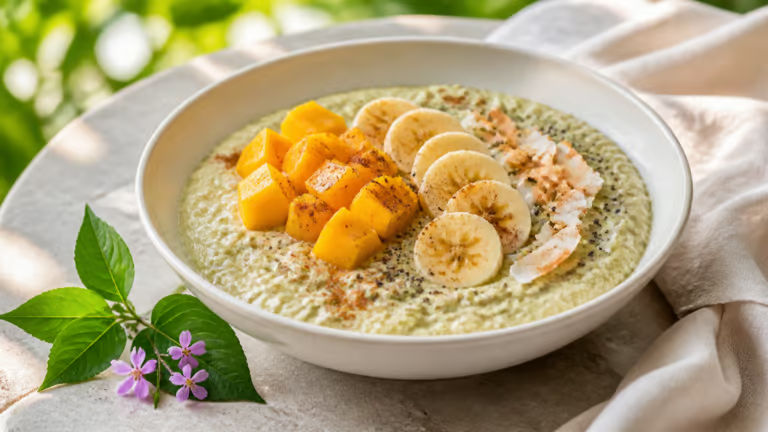
- Heen Bovitiya Coconut Overnight Oats — an easy make-ahead breakfast inspired by Sri Lankan flavors.
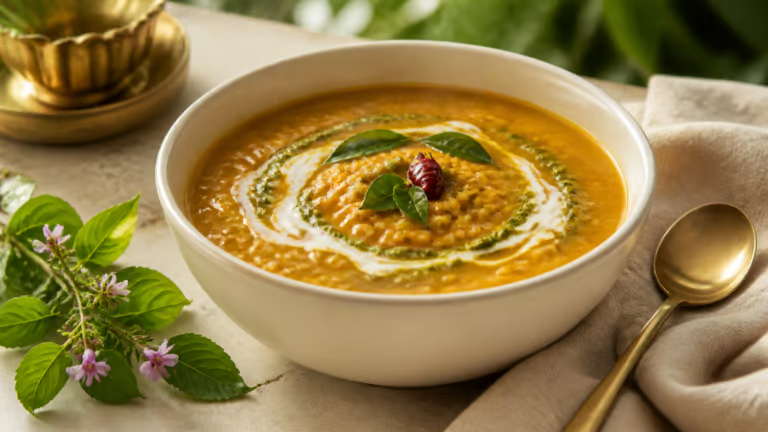
- Sri Lankan-Inspired Red Lentil and Heen Bovitiya Soup — a savory bowl with curry leaves, turmeric, and coconut milk.
A convenient way to explore a Sri Lankan herbal tradition
For customers outside Sri Lanka, finding fresh Heen Bovitiya leaves can be difficult. Naturista Heen Bovitiya Powder 125g brings the leaves and flowers together in a shelf-stable format produced in Sri Lanka.
Use the supplied measuring spoon and follow the current instructions on the package. Do not take more than directed in the hope of obtaining a greater effect. If the package directions differ from a recipe on this site, follow the package.
Heen Bovitiya’s appeal is not a promise of a quick fix. It is an opportunity to experience a distinctive Sri Lankan plant through a familiar culinary ritual—one that connects today’s kitchen with the island’s living herbal heritage.
Explore the tradition: Shop Naturista Heen Bovitiya Powder 125g
Important information
This article is for general educational purposes and is not medical advice. Heen Bovitiya has a history of traditional use, but this product has not been shown to diagnose, treat, cure, prevent, or reverse fatty liver disease or any other disease. Speak with a qualified healthcare professional before using herbal products, especially if you have liver disease or another medical condition; take prescription or long-term medication; are pregnant, planning pregnancy, or breastfeeding; have allergies; or are considering giving the product to a child. Follow the product label and do not delay or replace medical care.
Sources and further reading
- Naturista: Naturista Heen Bovitiya Powder
- Antidiabetic Activity of Widely Used Medicinal Plants in the Sri Lankan Traditional Healthcare System
- University of Peradeniya: Osbeckia octandra herbal tea and metabolic indices in fatty liver disease
- University of Ruhuna: O. octandra leaf extract in an animal model of liver injury
- US NIDDK: Treatment for NAFLD/MASLD